TRICARE East
- 3.8
- Rating
- 100.00K
- Installs
- Free
- Price

 Analysis by App-foxy
Managing health coverage from a phone sounds simple until you need to do it at an inconvenient moment: away from home, between appointments, or while trying to answer a family member’s question quickly. TRICARE East is built for beneficiaries in the East Region, and my impression is that its value comes less from entertainment or novelty and more from putting plan-related information within reach when a browser session would feel unnecessarily slow.
This is a free medical app from Humana Government Business. It is rated for Everyone, which makes sense for a service that may be used by beneficiaries and families rather than by a narrow professional audience. The app has an average rating of 4.0 from around 1.8 thousand ratings, with more than 500 written reviews, and it has passed the 100-thousand-install mark. Those figures suggest a useful but not universally effortless experience: enough people rely on it to give it a meaningful presence, while the rating leaves room for occasional friction.
How TRICARE East feels when connectivity matters
I focus here on the moments when a weak or changing connection can turn a simple coverage check into a frustrating detour. In my view, a little preparation—opening the app before you leave and keeping a note of time-sensitive details—can make the mobile route more dependable without treating it as a substitute for other support.
You May Also Like

 Blood Strike: 2.5 Anniversary
Blood Strike’s Loadouts Turn Every Drop Into a Tactical Gamble
A close look at Blood Strike’s custom loadouts: how fast access to signature weapons reshapes its battle royale rhythm, rewards preparation, and narrows the gap between fights.

 Pandora - Music & Podcasts
Pandora’s Music Is Easy to Start, but Harder to Recover
Pandora’s strength is its low-effort path from a seed to a station. Its weak spot is how much confidence it asks you to place in connection, setup, and quiet recovery.

 8 Ball Pool
 Is Built on Rivalries, Rematches, and Routine
A close look at the rivalries, rematches, shared routines, and unanswered safety questions that turn a quick pool match into a persistent mobile community.

 Samsung Music
’s Quiet Strength Is Playing What You Already Own
Its reach comes less from spectacle than from dependable access to a personal library. That simplicity is both the app’s strongest retention engine and its ceiling.

 AccuWeather: Weather Radar
AccuWeather Review: A Quick, Clear Forecast for Everyday Decisions
For everyday plans, the best forecast is the one you can understand quickly. AccuWeather makes rain timing, radar, and local conditions easy to act on, with a few trade-offs.

 Hill Climb Racing
Why Hill Climb Racing Still Turns Crashes Into One More Run
A tiny car, a bumpy hill and one more upgrade: Hill Climb Racing keeps resurfacing because its simple chaos makes every near-miss feel personal.
More From Our News Desk



The app is most useful when you are already dealing with a plan question
I found the strongest reason to keep this app available is timing. A health-plan app does not need to be opened every day to be worthwhile. Its usefulness appears when I need to check something connected to my TRICARE East coverage and do not want to search through old messages, remember a web address, or navigate a general search engine that may return unrelated information.
That convenience depends heavily on the network. When the phone has a stable connection, a dedicated app can feel more direct than opening a browser and starting from scratch. The experience is particularly practical when I am already carrying the phone during a medical errand. Instead of treating the app as a general health tool, I see it as a focused access point for beneficiaries in the East Region.
That distinction matters. This is not the kind of application I would install expecting symptom analysis, exercise coaching, medication tracking, or a replacement for professional medical advice. Its role is tied to TRICARE East services. If your need is coverage-related and you belong to the applicable region, the narrow focus is an advantage. If you want a broad personal health dashboard, it is the wrong category of tool.
Why a reliable connection changes the experience
Because the app is used for account and plan-related tasks, I would approach it as a connected service rather than something to depend on in airplane mode or in a location with unreliable reception. A weak signal can turn a quick check into a frustrating wait, especially when the information you need feels urgent even if the task itself is routine.
My practical advice is to open the app before leaving for an appointment if you expect to need it. That gives you a chance to sign in, confirm that the service is responding, and identify any issue while you still have a dependable connection. I would not assume that a screen viewed previously will remain available for every future need, so I would also avoid treating the phone as a guaranteed offline record of coverage information.
This is one of the app’s less obvious trade-offs. A dedicated mobile experience can be quicker than a browser once everything is working, but it also becomes another point of access that depends on the phone, the app’s current state, and the network. For occasional users, that means preparation is more useful than expecting the app to rescue every last-minute situation.
Using it during ordinary mobile situations
The most realistic scenario is not sitting at home with plenty of time. Imagine that I am travelling to a clinic and a question comes up about my TRICARE East arrangements. I have my phone with me, but I am moving through a parking area or waiting room, and the connection may shift between strong and weak. In that moment, the app’s value is its focused purpose: I can try the official mobile route instead of juggling several browser tabs or relying on a remembered answer.
A second scenario involves helping someone else in the household. A beneficiary may ask a family member to look up plan information while they are busy, travelling, or preparing for an appointment. A phone-based service is easier to hand over than a desktop computer, although privacy still matters. I would avoid leaving an account open on a shared device and would pay attention to what is visible on screen before showing information to another person.
The app also fits people who handle administrative tasks mostly from a phone. Some users rarely sit at a computer, and a mobile interface can remove a practical barrier even when the underlying information is the same as on the web. For them, the app is not merely a smaller website; it is a more natural place to begin a plan-related task.
On the other hand, I would choose a larger screen when I need to compare several pieces of information at once, copy details into another document, or work through a complicated administrative issue. A phone is convenient, but it can make long forms, dense text, and back-and-forth checking more tiring. The app is best for focused actions, not necessarily for every complex coverage task.
What to do when the connection or session fails
Connectivity problems are especially annoying in medical administration because the user may already be stressed. If a page does not load, my first response would be to check whether the phone has a working connection rather than repeatedly tapping the same control. Moving from a weak indoor signal to a more open location, switching between available network options, or waiting until the connection is stable can be more effective than assuming the app itself has lost information.
I would also restart the task calmly if the session becomes unresponsive. Closing and reopening the app may help with a temporary state problem, but I would not keep submitting the same request over and over. Repeated attempts can create confusion about whether an action went through. If the app shows a confirmation, I would take a moment to note what happened before trying again.
Another useful habit is keeping a separate record of important administrative reference details when appropriate. That does not mean assuming the app offers offline access; it means recognizing that a phone service should not be the only place where a time-sensitive detail exists. For an appointment or a call with a provider, having the relevant information already written down can prevent a poor signal from becoming the main event.
When the problem is not clearly caused by connectivity, I would use the normal support route associated with the plan rather than treating the app as a substitute for every form of assistance. A mobile application is a convenient channel, but it cannot remove the need for human help when an account issue is specific, sensitive, or difficult to explain through a small screen.
Keeping mobile data use sensible
For most people, an app centered on plan administration is unlikely to be the same kind of data concern as video streaming, but I still prefer a careful approach. I would avoid opening it repeatedly just to browse, especially while travelling on a limited mobile plan. The better pattern is to decide what I need first, open the app when the connection is reasonably stable, complete the task, and close it when finished.
Wi-Fi is a sensible choice when available, particularly if I expect to spend time reviewing several screens or dealing with a sign-in problem. It can also make the experience feel more predictable in a home or office setting. Still, I would not delay a genuinely important plan-related task solely to find Wi-Fi if a secure mobile connection is available and the matter is time-sensitive.
Public networks deserve extra caution. I would be reluctant to enter account information while connected to an unfamiliar hotspot, especially in a crowded public place. A cellular connection or a trusted private network is a better choice for personal health coverage tasks. I would also keep the phone’s screen lock active and avoid sharing saved access with people who do not need it.
These habits are not glamorous, but they improve the overall experience. The app works best when I treat it as a private administrative tool rather than a casual information feed. That mindset also helps conserve battery and data because I am using it for a defined purpose instead of leaving it open while moving between locations.
How it compares with the usual alternatives
The main alternatives are a browser-based member portal, a phone call, or asking a provider’s office for guidance. Each has a place. A browser may be better on a computer when I need a wide view or want to manage several details together. A phone call is preferable when the situation is complicated, personal, or too ambiguous for a self-service screen. A provider’s office may help with an immediate appointment question, but it is not necessarily the best source for every plan-administration matter.
TRICARE East makes the most sense between those options when I want a direct mobile starting point and already know that my question belongs to the East Region beneficiary experience. Compared with a general web search, a dedicated app reduces the chance of wandering through unrelated pages. Compared with a call, it may save time for a straightforward task. Compared with a desktop portal, it trades workspace for portability.
The important limitation is that convenience should not be confused with completeness. If I am trying to resolve an unusual eligibility concern, explain a complicated family situation, or understand a decision that affects care, I would rather speak with the appropriate support channel than force the issue through the app. The mobile route is efficient when the task is clear; it is less attractive when interpretation is required.
Who should install it, and who can skip it
I would recommend installing it to beneficiaries in the East Region who regularly manage coverage matters from a phone, travel frequently, or want an official mobile route ready before an appointment. It is also a reasonable choice for households where one person helps organize medical administration for others, provided the device and account are handled carefully.
I would be less enthusiastic for someone who rarely uses mobile services, prefers speaking with a representative, or mainly needs a large-screen workspace. That person may gain more from the browser or phone support. Likewise, anyone looking for health tracking, diagnosis guidance, fitness tools, or medication reminders should skip this app because its purpose is much narrower.
The age rating of Everyone makes it broadly approachable, but that does not remove the need for adult judgment around private account information. A family-friendly rating describes accessibility, not permission to share personal details casually. I would still use a personal device where possible and sign out or lock the phone when another person may use it.
Version context and day-to-day expectations
The current version is 3.2.1, and the app has been available since March 11, 2020. For me, that history places the app in the category of an established service rather than a brand-new experiment. It has had time to become familiar to users, while the current version number is a reminder that mobile services can change and should be kept updated through the normal app-store process.
I would not judge it by the standards of a social app or a feature-heavy wellness platform. The right question is whether it gives TRICARE East beneficiaries a practical mobile path for the tasks they actually need to handle. Its 100K-plus installs show that it serves a substantial audience, but the strongest reason to use it remains personal relevance: the app is useful because of the plan and region it supports, not because every phone owner needs it.
My connectivity verdict
After looking at the app through the lens of real mobile use, I see TRICARE East as a focused convenience tool with a clear audience. Its best moments happen when I have a defined coverage question, a working connection, and a need to act from somewhere other than a desktop. The phone format is valuable during travel, appointments, and household administration, but it does not eliminate the need for preparation or human support.
My recommendation is straightforward: if you are a TRICARE East beneficiary and prefer handling routine plan tasks on your phone, the free download is worth trying. Keep your connection in mind, avoid relying on it as an offline backup, and use a browser or support representative when the issue becomes complicated. The app is most successful as a quick, connected doorway to TRICARE East—not as a complete replacement for every other way of managing healthcare coverage.
FAQs for TRICARE East
01What is TRICARE East, and who can use it?
TRICARE East is a mobile application designed to support military personnel, retirees, and their families with health care services. Managed by Humana Military, the app provides access to essential information, provider directories, and claims processing for individuals covered under the TRICARE program in the Eastern United States.
02How do I register or log in to the TRICARE East app?
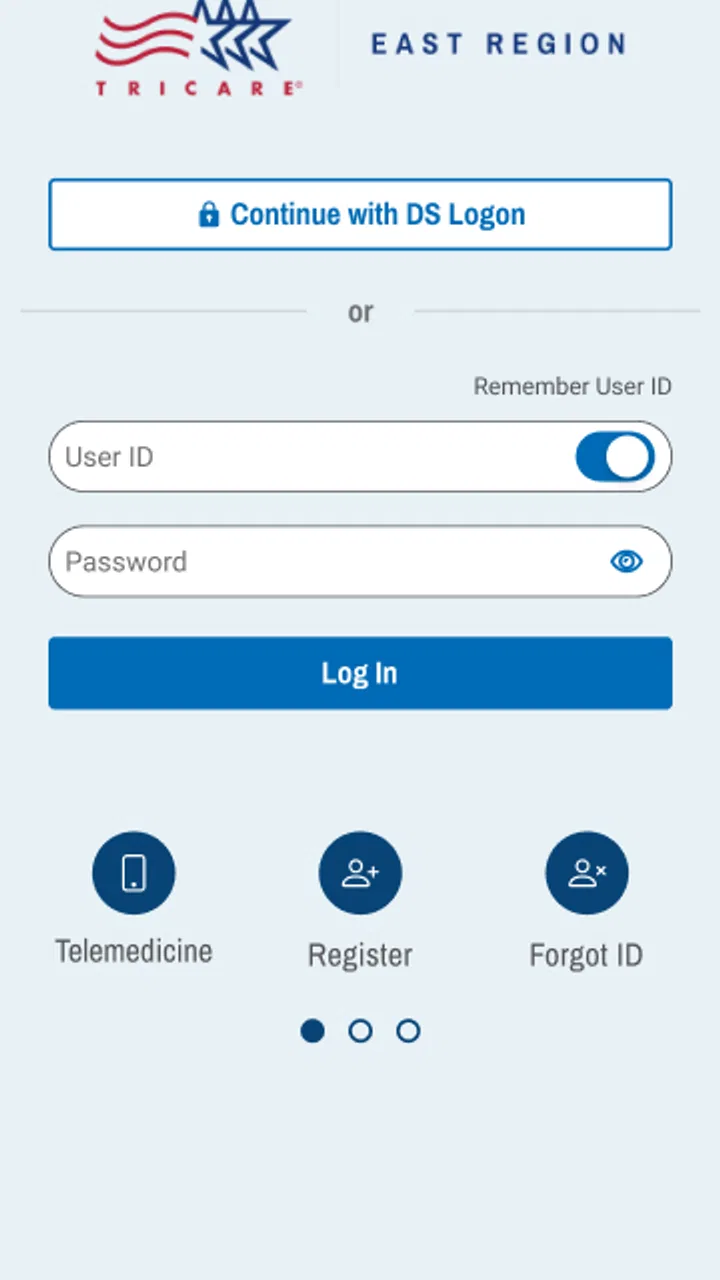
To register or log in to the TRICARE East app, users must have an active TRICARE account. New users can create an account directly within the app by providing personal and beneficiary information. Existing users can log in using their username and password, ensuring they have easy access to their healthcare information.
03What features does the TRICARE East app offer?
The TRICARE East app offers a range of features including access to beneficiary information, claims status, and provider search. Users can view and update personal information, find nearby medical facilities, and receive notifications about important healthcare updates. The app also supports secure messaging with customer service for direct assistance.
04Is the TRICARE East app secure and private?
Yes, the TRICARE East app is designed with robust security measures to protect user data. It uses encryption and complies with privacy regulations, ensuring that personal and medical information remains confidential. Users are encouraged to keep their login details secure and regularly update their passwords for added protection.
05What should I do if I encounter issues with the TRICARE East app?
If you experience any issues with the TRICARE East app, first check for updates to ensure you have the latest version. If problems persist, users can contact customer support directly through the app’s secure messaging feature or by calling the TRICARE East helpline for assistance. Additionally, frequently asked questions and troubleshooting tips are available within the app.
Pros
- User-friendly interface for easy navigation.
- Comprehensive coverage information available.
- Quick access to claims and referrals.
- Secure login with multiple authentication options.
- Real-time updates on benefits and coverage.
Cons
- Limited functionality without internet access.
- Occasional login issues reported by users.
- Lack of detailed FAQ section.
- Notifications can be delayed at times.
- No option for live chat support.

TRICARE East
Gallery